Quick Answer (AEO): SEO, or Search Engine Optimization, is the process of improving a website so search engines can better discover, understand, and rank its content. SEO combines useful content, keywords, technical optimization, internal links, backlinks, page experience, and structured data to increase organic visibility and attract relevant visitors.
SEO remains one of the most important digital marketing strategies for businesses that want sustainable online visibility. Instead of paying for every website visit, SEO can help your pages attract visitors organically when people search for products, services, questions, or information related to your business.
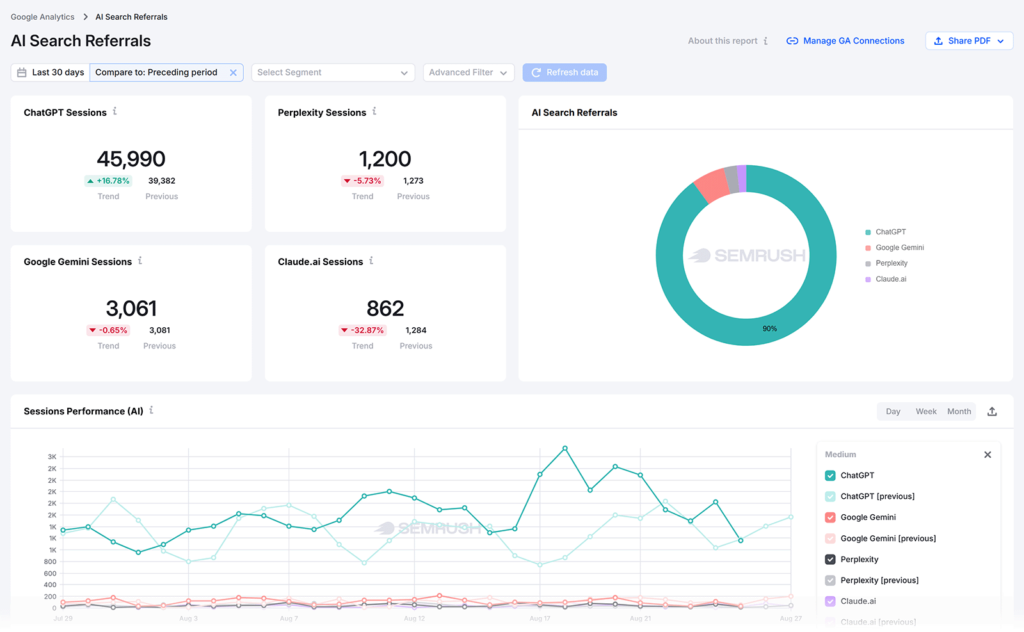
Modern SEO is also expanding beyond traditional blue-link search results. Content now needs to be understandable not only by search engines but also by answer engines and AI-powered search experiences.
How Does SEO Work?
Search engines discover web pages, analyze their content, add eligible pages to an index, and determine which pages may best answer a user’s query.
Effective SEO makes this process easier while providing a genuinely useful experience for visitors.
The three major areas of SEO are:
- On-page SEO: Content, headings, keywords, titles, internal links, images, and page structure.
- Technical SEO: Crawling, indexing, site speed, mobile usability, canonicals, XML sitemaps, robots directives, and structured data.
- Off-page SEO: Backlinks, digital PR, brand mentions, authority, reputation, and other external signals.
SEO Types and Their Purpose
| SEO Type | Main Purpose | Examples |
|---|---|---|
| On-Page SEO | Improve individual pages | Keywords, headings, content, internal links |
| Technical SEO | Improve crawling and performance | Sitemap, schema, speed, canonical tags |
| Off-Page SEO | Build authority | Backlinks, PR, brand mentions |
| Local SEO | Improve local visibility | Business profiles, reviews, local pages |
| AEO | Answer direct questions | Quick answers, FAQs, concise definitions |
| GEO / AI SEO | Improve AI discoverability | Clear facts, entities, citations, structured content |
Why Is SEO Important for Businesses?
SEO connects your business with users who are already searching for information, solutions, products, or services.
A strong SEO strategy can help a website:
- Increase relevant organic traffic.
- Improve visibility for commercial and informational searches.
- Build long-term brand authority.
- Generate leads and sales.
- Reduce dependence on paid advertising.
- Improve website usability and information architecture.
- Increase discoverability across traditional and AI-powered search experiences.
Unlike a short advertising campaign, useful evergreen content can continue attracting visitors long after it has been published.
How to Create an Effective SEO Strategy
Start with search intent, not simply search volume. Understand what the user actually wants when entering a query.
For example, somebody searching for “what is SEO” probably wants education, while a search such as “SEO agency in Bangalore” has stronger commercial intent.
Your content should directly satisfy that intent.
Technical SEO Checklist
A technically healthy website gives search engines clearer access to important content.
Developers should ensure that every blog template supports:
- Unique title tags and meta descriptions.
- One primary H1 heading.
- Logical H2–H6 hierarchy.
- Clean, descriptive URLs.
- Canonical URLs.
- XML sitemap inclusion.
- Mobile-responsive layouts.
- Fast-loading pages.
- Image alt attributes.
- Crawlable internal links.
- Article and Breadcrumb structured data where appropriate.
Image and Media Optimization
Images should complement the article rather than slow it down. Compress large files, use descriptive filenames, provide meaningful alt text where appropriate, and support modern responsive image formats.
Accessibility Tip
Do not stuff keywords into alt text. Describe the image naturally and use alt text primarily to help users understand meaningful visual content.
SEO, AEO and AI Search
Traditional SEO should remain the foundation, but websites should increasingly structure information so direct answers can be extracted and understood easily.
This is where Answer Engine Optimization (AEO) becomes useful.
AEO-friendly content typically includes concise definitions, question-based headings, comparison tables, FAQs, lists, statistics with sources, clear entity names, and short answers followed by deeper explanations.
For future-proofing, businesses should also think about AI search visibility. Clear facts, original insights, identifiable authors, trustworthy references, updated information, and well-structured pages make content easier for both people and automated systems to interpret.
Future SEO Plan for This Blog Template
The template should be designed as a modular system rather than a fixed article page.
Future versions can support an automatically generated table of contents, author profiles, updated dates, reading progress indicators, key-takeaway boxes, comparison tables, pros-and-cons modules, statistics blocks, video embeds, downloadable resources, related posts, newsletter CTAs, social sharing, citations, and content update logs.
The CMS should also allow editors to switch optional modules on or off depending on the article type.
Key Takeaway
Successful SEO is not about repeating keywords as often as possible. The goal is to create pages that are useful to people, accessible to search engines, technically reliable, well organized, and authoritative enough to deserve visibility.
Frequently Asked Questions About SEO
What does SEO stand for?
SEO stands for Search Engine Optimization. It refers to practices used to improve a website’s visibility and performance in organic search results.
How long does SEO take?
SEO is generally a long-term strategy. Results vary depending on competition, website condition, content quality, authority, indexing, and the work being performed.
Is SEO free?
Organic search clicks do not require a payment for every click, but SEO itself may require investment in content, development, research, tools, design, outreach, and expertise.
Are keywords still important for SEO?
Yes, but keywords should reflect topics and user intent rather than being unnaturally repeated. Content should answer the searcher’s question comprehensively and naturally.
Does schema markup improve rankings?
Structured data helps search engines understand information on a page and can make pages eligible for supported search features, but implementing schema does not guarantee higher rankings or rich results.
Conclusion
SEO continues to evolve as search becomes more conversational and AI-assisted. Businesses should combine strong technical foundations with useful content, trustworthy sources, clear answers, and excellent user experience.
A flexible blog template built around SEO, AEO, structured content, accessibility, and future AI-search requirements gives publishers a stronger foundation for long-term organic growth.
Suggested CTA:
Need help improving your website’s organic visibility? [Contact Our SEO Team] for an SEO audit and customized growth strategy.
Recommended Sources / Further Reading
- Google Search Central — SEO Starter Guide
- Google Search Central — Creating Helpful, Reliable, People-First Content
- Google Search Central — Structured Data and Article Markup
- Bing Webmaster Guidelines — SEO and AI Search Guidelines
- Schema.org — Structured Data Vocabulary